
Expert Hazardous Tree Removal Services
At Bridgewater Arbor Care LLC, we specialize in safe and efficient hazardous tree removal. Our experts assess risks, protect your property, and use the right equipment to ensure a safe and thorough job.
HAZARDOUS TREE REMOVALTREE REMOVALARBORIST SERVICESPERMITTING SERVICESPALM TREE TRIMMINGTREE TRIMMINGTREE CARE
Ginger Villalobos
5/8/20264 min read
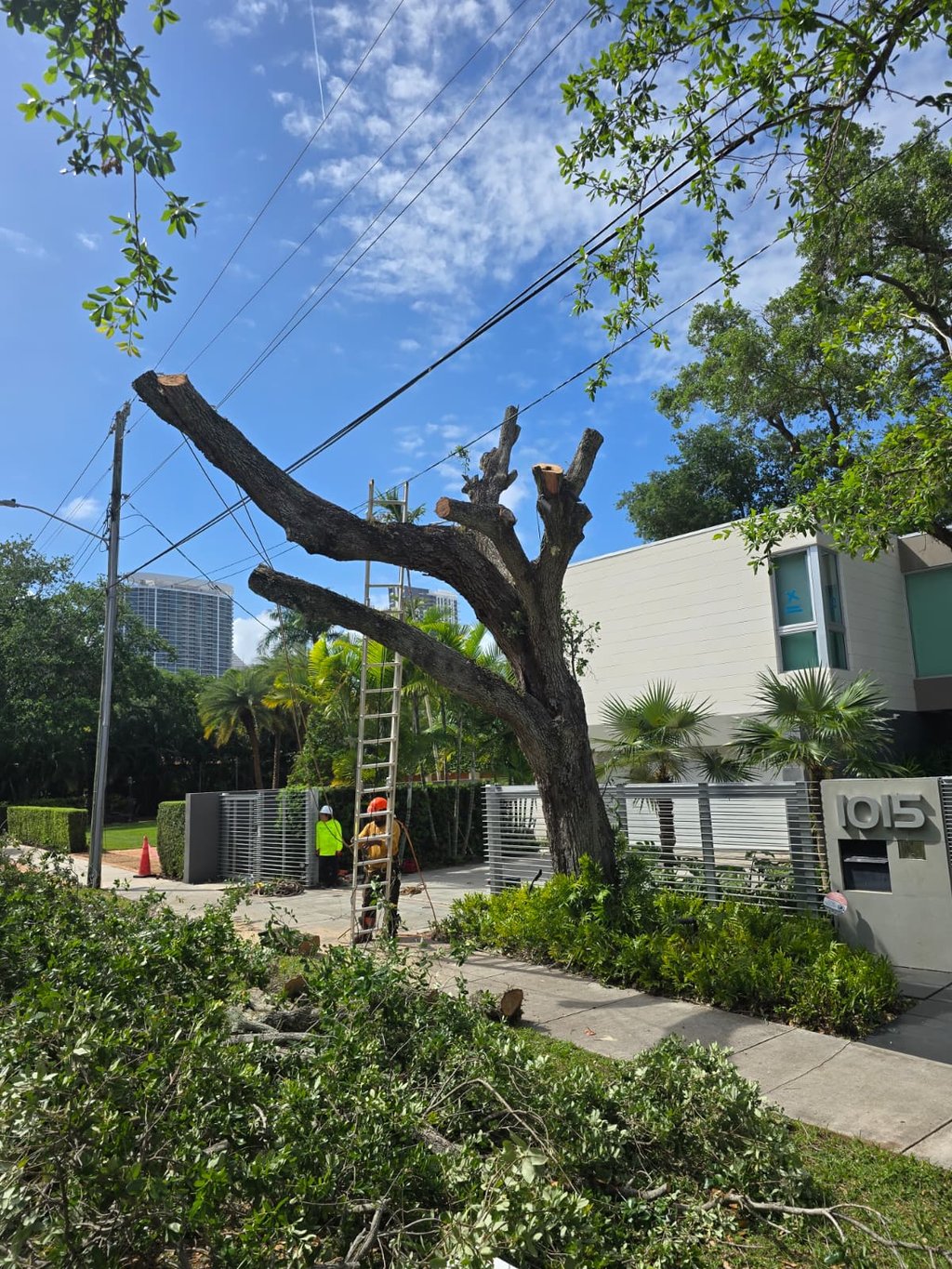
When a tree becomes hazardous, it is more than a landscaping concern. It can become a serious safety risk for your home, your family, nearby structures, vehicles, sidewalks, and neighboring properties. In South Florida, where heavy rain, strong winds, tropical storms, and hurricane season can quickly turn a weak tree into a dangerous situation, hazardous tree removal should never be ignored.
At Bridgewater Arbor Care LLC, we understand that removing a hazardous tree is not just about cutting it down. It is about carefully assessing the risk, protecting the surrounding property, and completing the work with the right equipment, knowledge, and safety procedures.
Hazardous Tree Removal: Protecting Your Property, Family, and Peace of Mind
1. Tree Risk Assessment
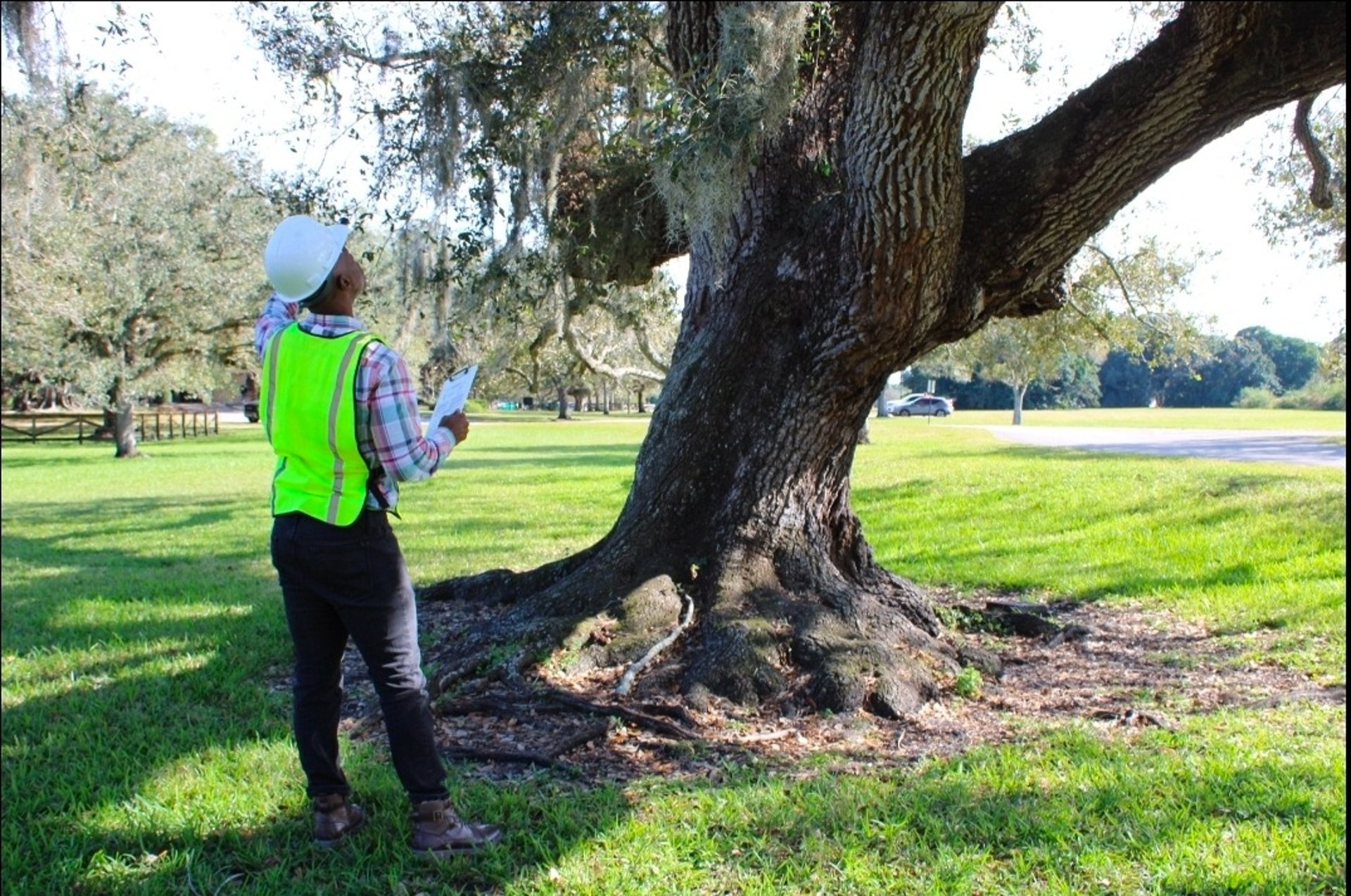
The process begins by inspecting the tree and surrounding property. This includes looking at the tree’s condition, structure, lean, root stability, decay, dead limbs, and proximity to buildings or other hazards.
The goal is to determine:
How unstable the tree is
Which direction it may fall
What structures or areas are at risk
Whether the tree can be safely trimmed or must be removed
What equipment and removal method are needed
This assessment helps create a safer and more controlled removal plan.
2. Property Protection Planning
Before removal begins, the crew must identify anything that needs to be protected, moved, or avoided. This may include vehicles, patio furniture, landscape lighting, irrigation systems, fences, pavers, pools, and nearby plants.
A careful plan helps reduce the chance of damage and keeps the work area organized.
3. Controlled Tree Removal
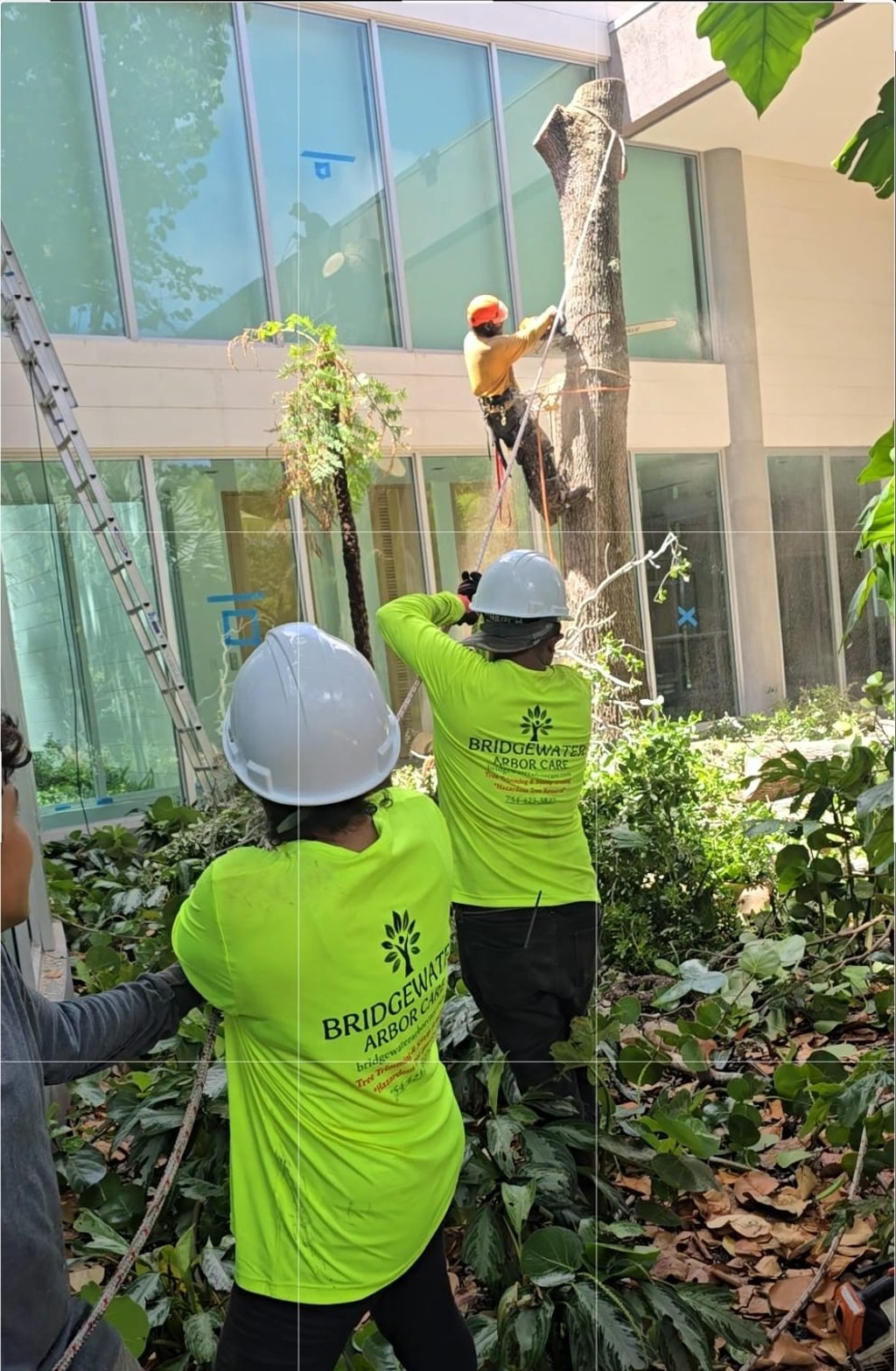
In many cases, hazardous trees cannot simply be cut at the base and dropped. When a tree is near a home, driveway, fence, or neighboring property, it often needs to be removed in sections.
This may involve:
Strategic limb removal
Rigging and lowering branches safely
Cutting the trunk in manageable sections
Using proper equipment for stability and control
Keeping workers and property clear of danger zones
Controlled removal is especially important for trees that are leaning, cracked, decayed or storm damaged.
What Makes a Tree Hazardous?
A hazardous tree is any tree that has the potential to fail and cause damage or injury. Sometimes the warning signs are obvious, but other times the risk is hidden inside the trunk, root system, or upper canopy.
Why Hazardous Tree Removal Should Be Handled Professionally
The Safety Process Behind Hazardous Tree Removal
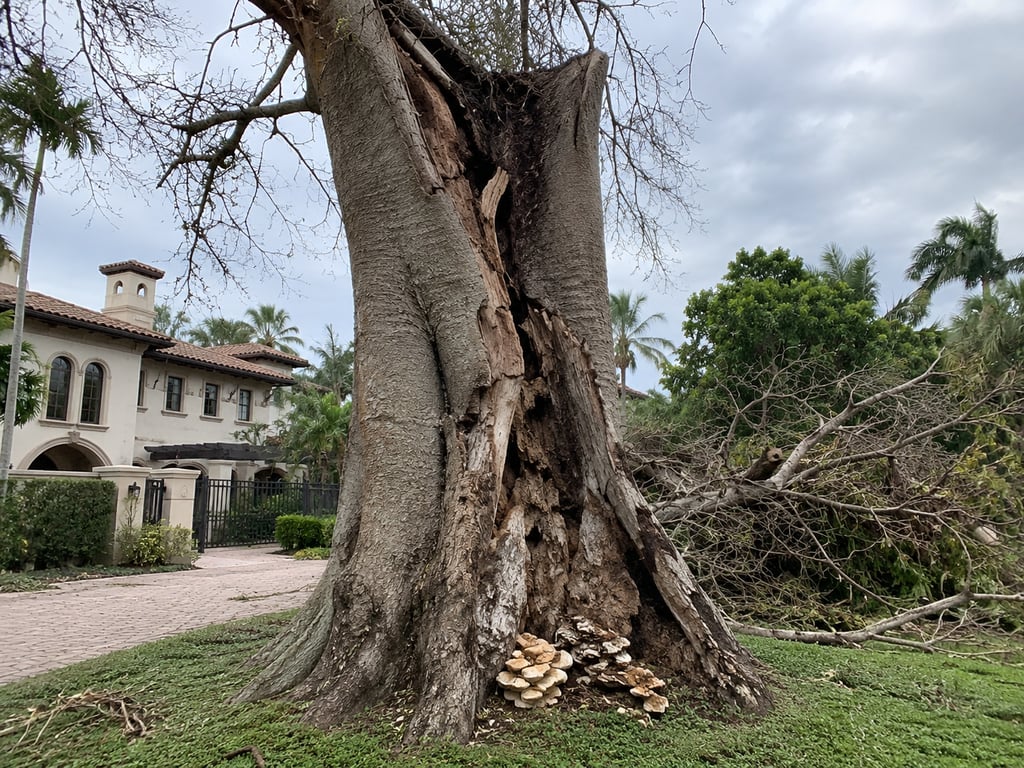
Common signs of a hazardous tree include:
Dead or dying branches
Large cracks in the trunk or major limbs
Leaning trees, especially if the lean has recently changed
Hollow or decaying areas in the trunk
Fungal growth around the base of the tree
Exposed or damaged roots
Branches hanging over a roof, driveway, pool, or walkway
Storm-damaged limbs
Trees growing too close to power lines or structures
Soil lifting around the base of the tree
Even a tree that appears healthy from a distance can have structural weaknesses that make it unsafe during high winds or heavy rain. That is why a professional inspection is so important.
Tree removal is one of the most dangerous types of property maintenance, especially when the tree is large, unstable, storm-damaged, or located close to a home or structure. Attempting to remove a hazardous tree without proper training and equipment can lead to serious injury, property damage, or additional hazards.
A professional tree care company understands how to evaluate the tree, determine the safest removal method, and control each section of the tree as it is removed.
Professional hazardous tree removal helps protect:
Your home and roof
Vehicles and driveways
Fences, patios, pools, and outdoor structures
Family members and pets
Neighboring properties
Utility lines and surrounding landscaping
At Bridgewater Arbor Care LLC, safety is always the priority from the first inspection to the final cleanup.
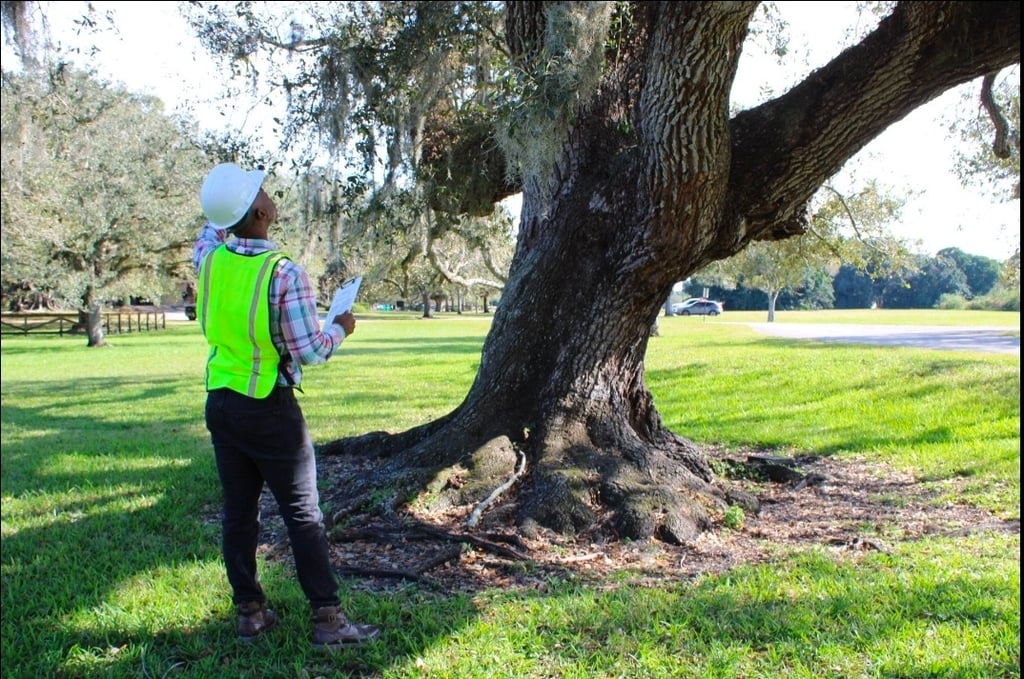
Hazardous tree removal is not a one-size-fits-all service. Every tree, property, and risk level is different. Before any work begins, the area must be carefully evaluated.
Protecting Your Family Starts with Prevention
One of the best ways to avoid emergency tree removal is to schedule regular tree inspections and maintenance. Preventive tree care can often identify problems before they become dangerous.
Regular trimming, canopy thinning, dead limb removal, and professional assessments can reduce the risk of falling branches and storm-related damage.
This is especially important before hurricane season, when weak trees and overgrown canopies can become major safety concerns.
When Should You Call for Hazardous Tree Removal?
You should contact a professional tree care company as soon as you notice signs of damage, decay, or instability. Do not wait until a tree falls or causes damage.
Call for an inspection if:
A tree is leaning toward your home
Large limbs are dead or hanging
The trunk is cracked or hollow
Roots appear lifted or damaged
A tree was damaged during a storm
Branches are touching or hanging over your roof
You are concerned about safety before hurricane season
When it comes to hazardous trees, it is always better to be proactive than to react after damage has already occurred.
Trust Bridgewater Arbor Care for Safe Hazardous Tree Removal
Hazardous tree removal requires experience, planning, and a strong commitment to safety.
At Bridgewater Arbor Care, we take the time to assess the risk, protect your property, and complete the removal process with care.
Whether you are dealing with a storm-damaged tree, a leaning tree, dead limbs, or a tree growing too close to your home, our team is here to help you make the safest decision for your property and your family.
Schedule a Hazardous Tree Inspection Today
Do not wait for a dangerous tree to become an emergency. Protect your home, your loved ones, and your property with professional hazardous tree removal services from Bridgewater Arbor Care LLC.
Call Now to schedule a hazardous tree inspection and get peace of mind before the next storm.
CONTACT INFO
Reach out for expert tree care today
PHONE
Bridgewater Arbor Care © 2026 All rights reserved.
HOURS
SUN - 5:00 am - 5:00 pm
MON - 5:00 am - 5:00 pm
TUES - 5:00 am - 5:00 pm
WEDS - 5:00 am - 5:00 pm
THURS - 5:00 am - 5:00 pm
FRI - 5:00 am - 5:00 pm
SAT - 5:00 am - 5:00 pm
SERVICE AREAS
Jupiter, FL
Wellington, FL
Boca Raton, FL
Ft Lauderdale, FL
West Palm Beach, FL
Parkland, FL
Coconut Creek, FL
Boynton Beach, FL
SERVICES
Tree Removal
Tree Trimming
Tree Installations
All Tree Care / Protection
Stump Grinding / Root Pruning
Arborist Services
Tree Inventory